


Welcome to the Northern Kentucky Law Review
Explore our blogs, where our Editors thoughtfully dissect crucial legal topics that are actively shaping the contemporary legal landscape. From landmark court rulings and pivotal decisions to emerging trends and developing doctrines, our Editors provide insightful analysis and informed discussions to help ensure you remain well-informed, up-to-date, and meaningfully engaged.

Explore our latest blog articles below.
Find more insightful commentary on legal issues in the archives.
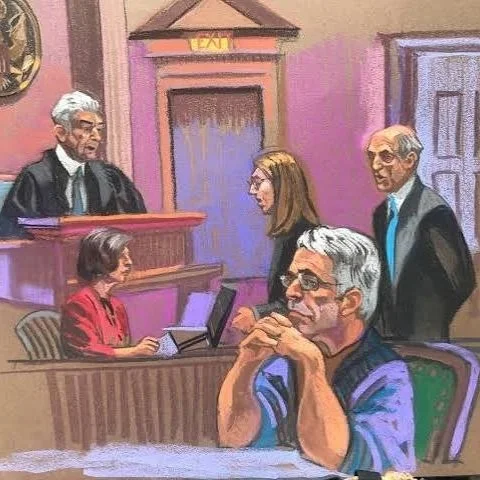
EMPOWERING SURVIVORS: HOW EPSTEIN’S CASE INSPIRED LEGAL CHANGE
The arrest of Jeffrey Epstein and the revelations that emerged from his trial have led to an obvious need for reform in key areas of the legal system. These changes would benefit victims and survivors of sexual abuse, who have historically been prevented from filing claims due to legal procedures such as the statute of limitations or varying child abuse laws in the states. One of Epstein’s most outspoken survivors, Virginia Giuffre, has specifically advocated for these changes that have previously prevented survivors from pursuing claims. Giuffre has significantly impacted the legal system by holding powerful men responsible for their actions and advocating for legal reform. By addressing these barriers, survivors are better positioned to hold their abusers accountable and encourage others to do the same.
Illustration by Christine Cornell.
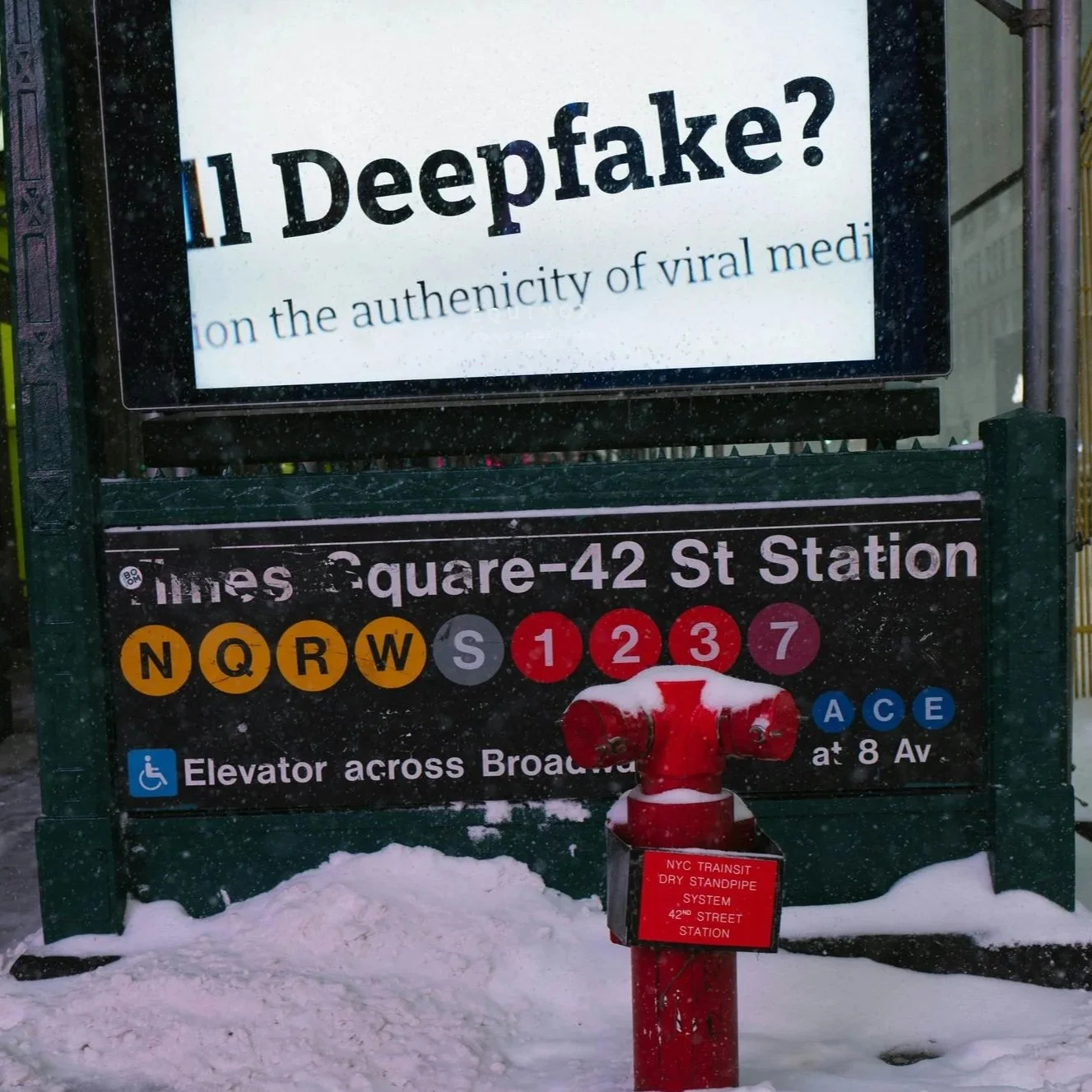
HOW DEEPFAKES ARE REWRITING TRUTH IN AMERICA’S COURTROOMS
Imagine yourself in a custody dispute with a former spouse, and they offer a video of you engaged in shocking behavior, sure to sway the court in their favor. You know the video is fabricated, and claim it is an AI deepfake. Or perhaps the video is real, and you falsely claim it is a deepfake, hoping to fool the court. This dilemma has been coined “the liar’s dividend.”
Photo by Raman Shaunia on Unsplash.

WHY RING DOORBELL FOOTAGE IS BEING THROWN OUT OF COURT: THE AUTHENTICATION PROBLEM
Imagine a neighbor’s Ring security camera picks up a figure walking to a front door at 11:47 p.m. Police identify the figure as their suspect, and the prosecutor plans to play the clip for the jury. There is just one problem: that footage never sat on a hard drive. Instead, it streamed through a home Wi-Fi router to Amazon’s cloud servers, where it lived until the homeowner downloaded it to their phone, forwarded it to a detective, and the detective saved it to a department laptop before turning it over to the prosecution. At each step, someone handled the evidence. Nobody documented any of it. That chain of events illustrates the growing authentication problem with Ring doorbell footage, and courts are beginning to notice.
Photo by Tim Büning on Unsplash.

KENTUCKY’S NEW “SYNTHETIC MEDIA” ELECTION LAW: A DISCLOSURE FIX OR A FIRST AMENDMENT FIGHT?
AI video generation has drastically improved in recent years. Released in September 2025, an OpenAI program called Sora 2 has been praised for its realism and quality in its video generation. Because of programs like this that can produce videos and images with convincing realism, Kentucky sought to regulate their use in electioneering communications.
Photo by Nathan Kuczmarski on Unsplash.

MAKING YOU AN OFFER YOU CAN'T REFUSE: OPPORTUNISTIC BLACKMAIL IN ARTIFICIAL INTELLIGENCE
Currently, 95% of adults in the United States have stated that they have heard about artificial intelligence. Although almost all American adults know of artificial intelligence, there is still much not known about the potential ramifications with this developing technology. One of the newest ramifications of AI is that systems have begun opportunistically blackmailing users.
Photo by Immo Wegmann on Unsplash.
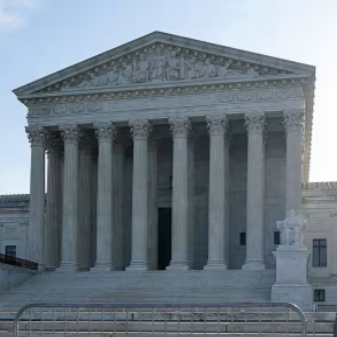
THE ALL WRITS ACT IN THE DIGITAL AGE: 1789 MEETS THE IPHONE
In 1789, Congress enacted the All Writs Act (AWA), codified at 28 U.S.C. § 1651, granting federal courts the authority to issue "all writs necessary or appropriate in aid of their respective jurisdictions." The statute was designed as a tool for courts to issue orders not otherwise provided for by existing law. Today, the AWA has become a contested instrument of the federal government, used for compelling technology companies to assist in criminal investigations. A gap-filling statute from the founding era has become the government's go-to tool for cracking open encrypted smartphones.