


Welcome to the Northern Kentucky Law Review
Explore our blogs, where our Editors thoughtfully dissect crucial legal topics that are actively shaping the contemporary legal landscape. From landmark court rulings and pivotal decisions to emerging trends and developing doctrines, our Editors provide insightful analysis and informed discussions to help ensure you remain well-informed, up-to-date, and meaningfully engaged.

Explore our latest blog articles below.
Find more insightful commentary on legal issues in the archives.

Eleven to One: The Lindsay Clancy Trial and the Case for a Graded Insanity Defense
During deliberations, it was widely reported that eleven jurors were prepared to find Lindsay Clancy not guilty by lack of criminal responsibility, and one was not. Unable to come to a unanimous decision, the jury forced Judge William Sullivan to declare a mistrial. It may be natural to read of the split in the jury as the responsibility of a lone juror, but in Clancy’s case, the law simply left the twelve jurors without a workable option.
Photo from Mass.gov.
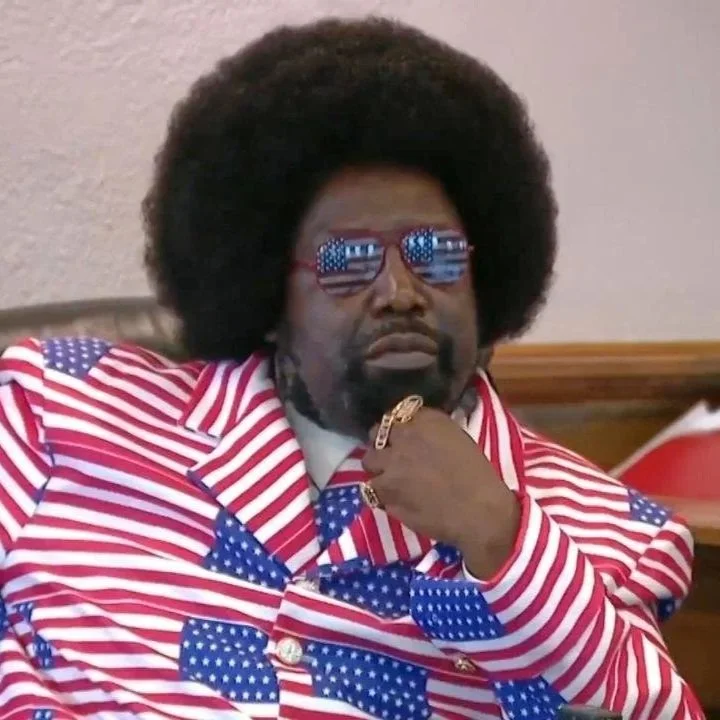
THE FOURTH AMENDMENT IS NOT A JOKE: THE AFROMAN WARRANT
By now, the tale of Cooley v. Foreman, better known to America as “the Afroman defamation case,” or even just “the Afroman case,” has been repeatedly rehashed in the national news media. In general, the theme of this coverage has been bemusement: Afroman’s rap songs about the situation, the absurd answers given by the plaintiffs under cross-examination, and so forth. Yet overlooked in all the merrymaking is the grave violation of Joseph Foreman’s, also known as “Afroman’s”, fundamental civil rights under the Fourth Amendment to the Constitution of the United States.
Photo by AP.
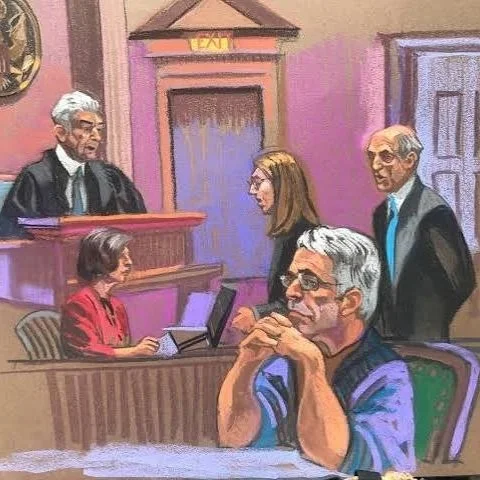
EMPOWERING SURVIVORS: HOW EPSTEIN’S CASE INSPIRED LEGAL CHANGE
The arrest of Jeffrey Epstein and the revelations that emerged from his trial have led to an obvious need for reform in key areas of the legal system. These changes would benefit victims and survivors of sexual abuse, who have historically been prevented from filing claims due to legal procedures such as the statute of limitations or varying child abuse laws in the states. One of Epstein’s most outspoken survivors, Virginia Giuffre, has specifically advocated for these changes that have previously prevented survivors from pursuing claims. Giuffre has significantly impacted the legal system by holding powerful men responsible for their actions and advocating for legal reform. By addressing these barriers, survivors are better positioned to hold their abusers accountable and encourage others to do the same.
Illustration by Christine Cornell.

WHY RING DOORBELL FOOTAGE IS BEING THROWN OUT OF COURT: THE AUTHENTICATION PROBLEM
Imagine a neighbor’s Ring security camera picks up a figure walking to a front door at 11:47 p.m. Police identify the figure as their suspect, and the prosecutor plans to play the clip for the jury. There is just one problem: that footage never sat on a hard drive. Instead, it streamed through a home Wi-Fi router to Amazon’s cloud servers, where it lived until the homeowner downloaded it to their phone, forwarded it to a detective, and the detective saved it to a department laptop before turning it over to the prosecution. At each step, someone handled the evidence. Nobody documented any of it. That chain of events illustrates the growing authentication problem with Ring doorbell footage, and courts are beginning to notice.
Photo by Tim Büning on Unsplash.


