


Welcome to the Northern Kentucky Law Review
Explore our blogs, where our Editors thoughtfully dissect crucial legal topics that are actively shaping the contemporary legal landscape. From landmark court rulings and pivotal decisions to emerging trends and developing doctrines, our Editors provide insightful analysis and informed discussions to help ensure you remain well-informed, up-to-date, and meaningfully engaged.

Explore our latest blog articles below.
Find more insightful commentary on legal issues in the archives.
THE RECUSAL DILEMMA: BALANCING IMPARTIALITY AND PRACTICALITY IN MODERN COURTS
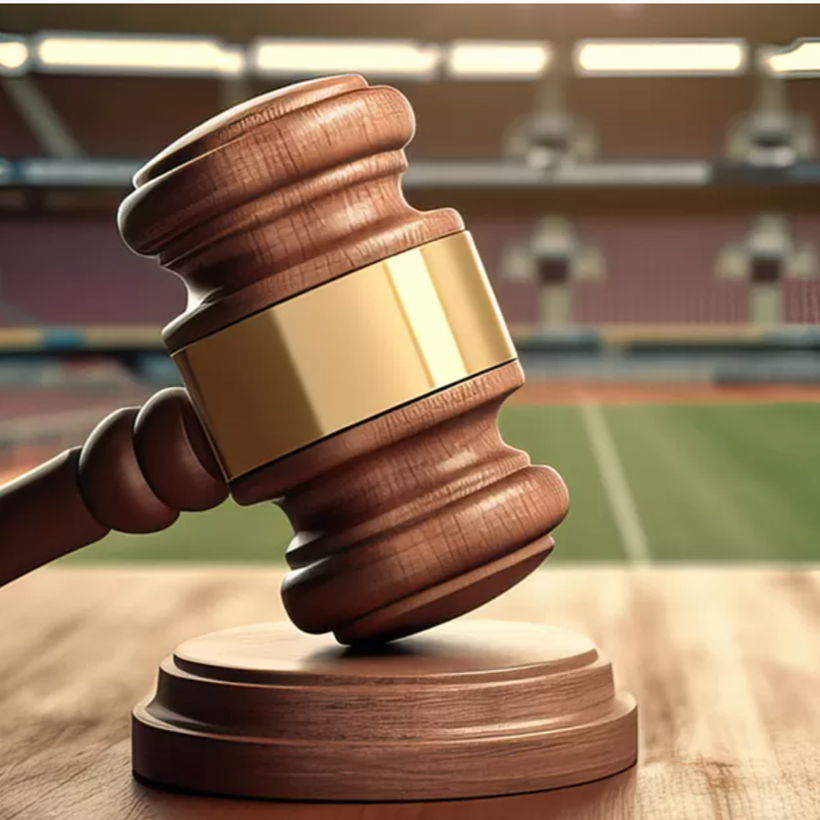
Recently, there have been two interesting cases of judicial recusals, both related to college athletics. First, Duke University sued its former quarterback, Darian Mensah, to prevent him from entering the transfer portal, after Mensah had previously agreed to return to Duke. The judge in the case, Durham County Superior Court Judge Michael O’Foghludha, denied Duke’s request for a temporary restraining order, then recused himself. O’Foghludha is a Duke basketball season-ticket holder, and thus a booster according to NCAA rules. The second case concerned Charles Bediako, a former University of Alabama basketball player who is seeking to return to the team after having been an NBA draft pick. The judge in Bediako’s case voluntarily recused himself, after a motion for recusal was submitted by the NCAA. Tuscaloosa Circuit Court Judge James Roberts is listed as a donor on the Crimson Tide Foundation’s website. His replacement, Judge Daniel Pruet, is another Alabama graduate. Pruet is also overseeing the murder case of former Alabama basketball player Darius Miles. These situations raise questions about the nature of judicial recusal, and how much of a conflict of interest is necessary for recusal to occur. This post will suggest that the practical considerations surrounding recusal generally outweigh any actual impartiality that is present.
WE’RE NOT IN KANSAS (CITY, MISSOURI) ANYMORE: ANTITRUST AND INTERSTATE COMPETITION IMPLICATIONS IN THE CHIEFS’ STADIUM RELOCATION FROM MISSOURI TO KANSAS
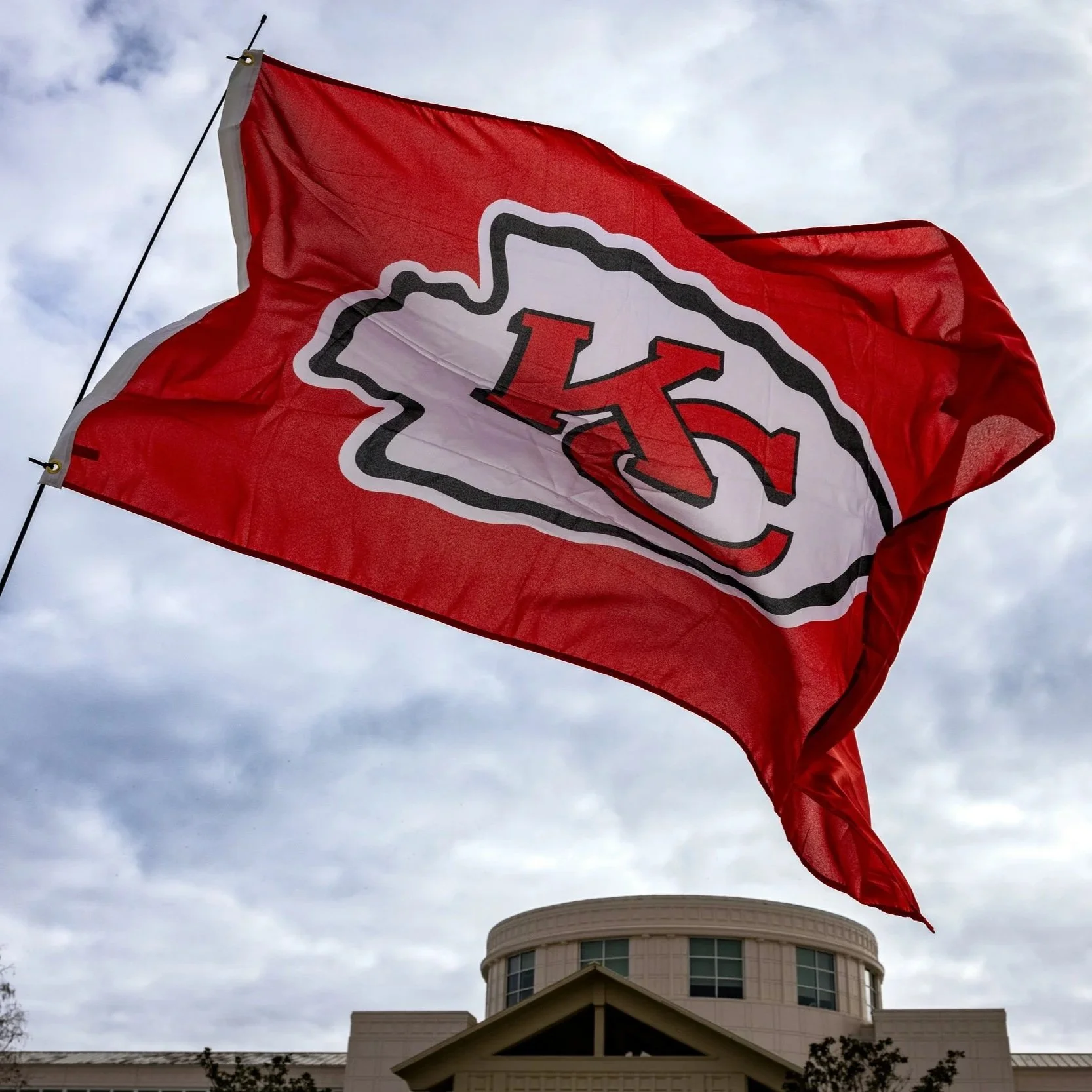
Despite Arrowhead’s deep-rooted history and legacy, the Chiefs have recently announced their decision to begin constructing a new $3 billion domed stadium, which is to be located only about 20 miles west across state borders in Wyandotte County, Kansas. Although devoted fans mourn the move from Arrowhead, Chiefs ownership team has indicated that Kansas’s offer, covering 60% of stadium costs through state bonds, centralizing negotiations within a single entity, and having to pay no property taxes, provided a more attractive and streamlined financing structure than what was offered from Missouri to make renovations to the existing stadium. Although the arrangement may benefit Chiefs ownership, opponents warn that escalating interstate competition risks increasing taxpayer obligations and fueling future cross-border economic conflicts. The proposed relocation of the Kansas City Chiefs’ stadium from Missouri to Kansas highlights the legal and economic implications of interstate subsidy competition, raising important questions about antitrust law, state action immunity, and the broader fiscal and economic consequences for the Kansas City metropolitan region and its residents.
Photo by Mick Haupt on Unsplash.

MENTAL HEALTH AS AN INJURY: RETHINKING INSTITUTIONAL LIABILITY IN COLLEGE ATHLETICS
Suicide has been reported as the second leading cause of death among young adults. For collegiate athletes specifically, suicide rates doubled between 2002 and 2022. Despite growing mental health concerns, most Division I athletic departments still lack adequate mechanisms to address the needs of student-athletes. Although the NCAA has taken steps to prioritize student-athlete well-being, gaps remain between existing initiatives and reported needs.
Photo by Josh Olalde on Unsplash.